
A Yamaha não faz concessões na qualidade, para assegurar um apoio total aos técnicos e engenheiros de som que acompanham artistas e músicos. O som, a facilidade de operação e a fiabilidade mantêm um nível de excelência, numa abordagem que permite concentração total no apoio à expressão artística e na transmissão da mensagem.
A série RIVAGE PM representa este compromisso ao mais alto nível, ligando tecnologia, arte e público através de um som com alcance global.
Entre Glamour e Intensidade: O Universo Sonoro dos The Struts
-
Live Events
-
Live Sound & Event Production
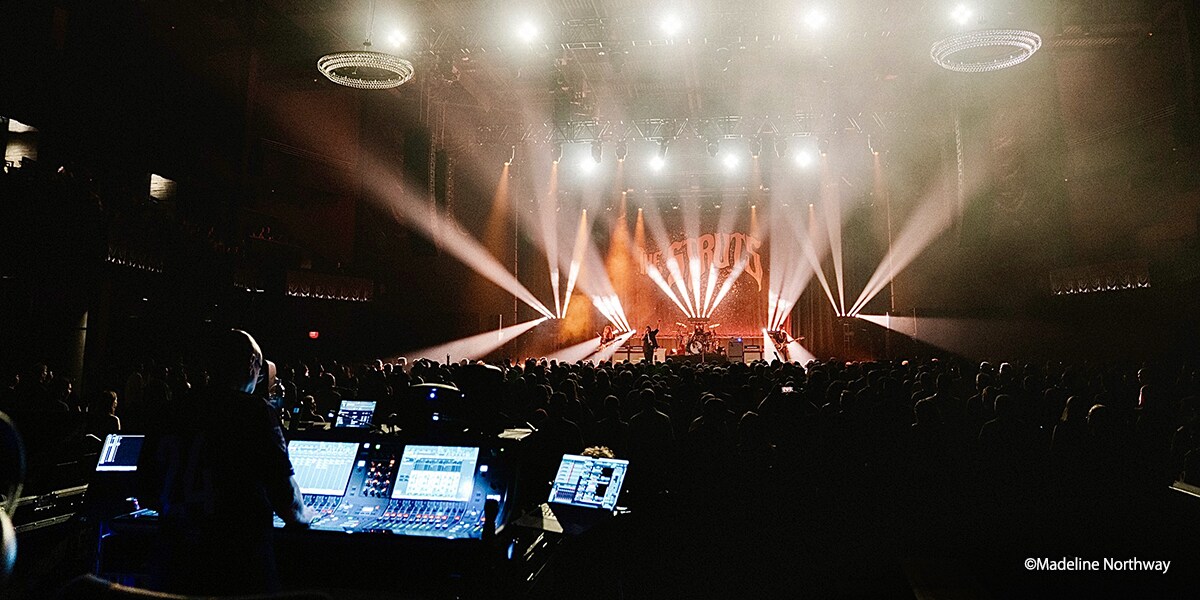
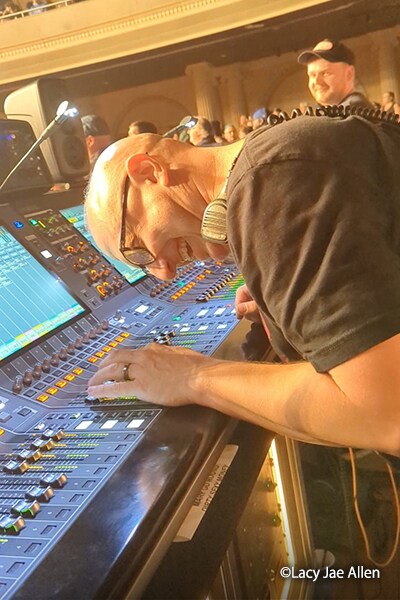
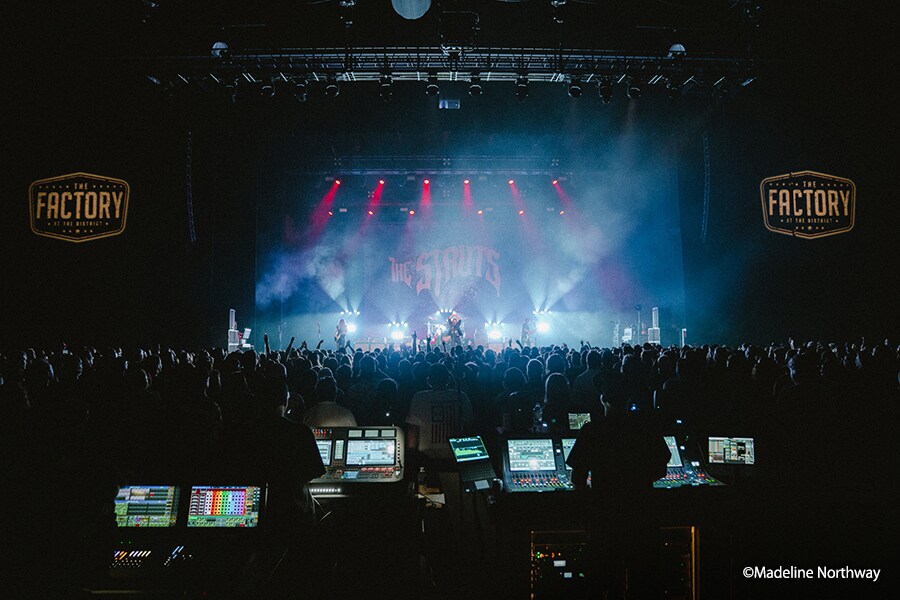
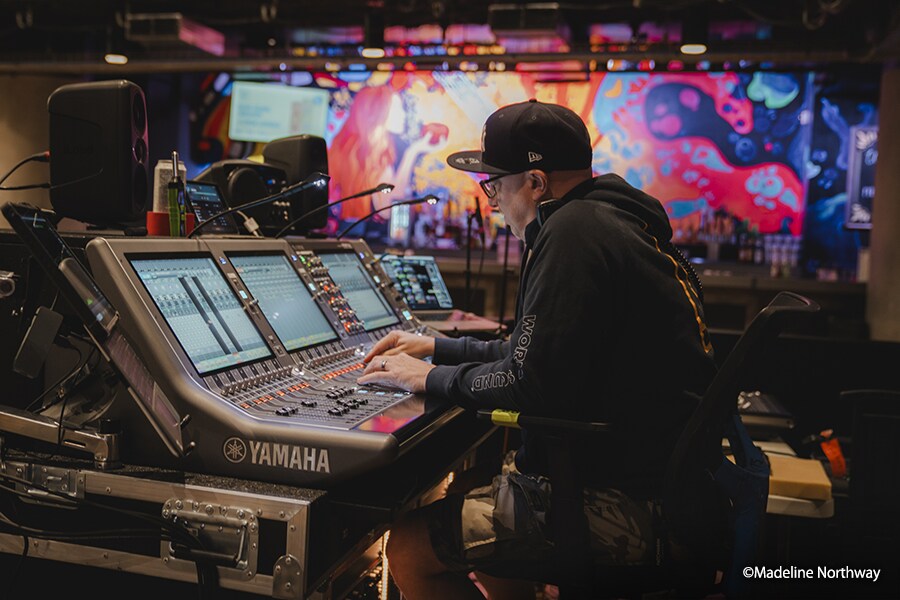
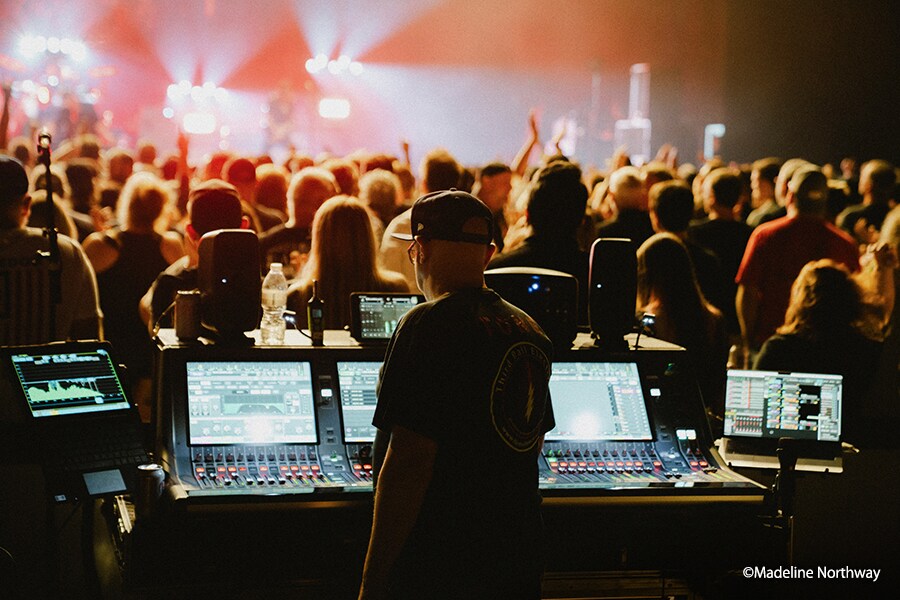
O engenheiro de frente (FOH) John “J3” Allen e o engenheiro de monição Zach “Bear” Bair são os responsáveis pela assinatura sonora dos concertos eletrizantes dos The Struts. Combinando precisão, criatividade e mesas Yamaha RIVAGE PM5, adaptam‑se a cada espaço com grande eficácia. Desde a escolha de microfones ao domínio dos plug-ins, o trabalho conjunto e a abordagem emocional à mistura elevam o espetáculo glam rock da banda a uma experiência imersiva — demonstrando que o som depende tanto da sensibilidade como da tecnologia.
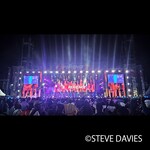
Quando os The Struts sobem ao palco, o resultado vai muito além de um simples concerto — trata-se de um verdadeiro espetáculo glam rock. Com o vocalista Luke Spiller a assumir uma presença inspirada na exuberância de Freddie Mercury e uma sonoridade que combina a atitude dos Rolling Stones com a energia do pop-rock contemporâneo, os concertos tornam-se uma referência em intensidade, carisma e impacto.
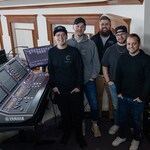
Por trás desta energia encontra-se uma operação de áudio altamente estruturada, conduzida por dois profissionais cuja sintonia e estilos distintos tornam possível este resultado. John “J3” Allen, enquanto engenheiro de frente (FOH), e Zach “Bear” Bair, na monição, constituem a base técnica das digressões da banda. A parceria assenta na confiança, no rigor e numa dedicação partilhada ao som, com recurso às mesas RIVAGE PM5 da Yamaha e ao suporte técnico da empresa Worley Sound, sediada em Nashville.
Em conjunto, foi construída uma configuração tão expressiva e dinâmica quanto a própria banda. Seja num palco como o Madison Square Garden ou num clube com capacidade para 800 pessoas, a abordagem combina instinto analógico, precisão digital e uma forte atitude rock’n’roll, sempre com um toque de irreverência.
Escolhas de Microfones que Fazem a Diferença
Para J3, a escolha de microfones vai muito além das especificações — é uma questão de fiabilidade em contexto real. Numa digressão com uma banda tão intensa e teatral como os The Struts, cada microfone precisa de justificar a sua presença. A abordagem assenta na fiabilidade, no controlo de captação e na musicalidade.
Para a voz principal de Luke, a preferência recai sobre o sE Electronics V7. “A resposta é semelhante à de um SM58, mas com maior nível de saída, melhor rejeição e um padrão de captação mais direcionado”, explica. “É ideal para um palco de rock com níveis elevados.” Trata-se de uma escolha exigente, tendo em conta que Luke atua exclusivamente com monitores de chão e side fills — e sem passagem de som prévia.
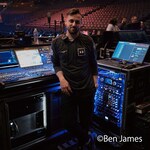
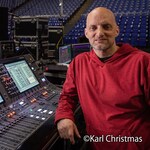
John “J3” Allen durante o espetáculo
O conjunto de microfones integra cerca de 60% de soluções sE, complementadas por modelos da Sennheiser e da Shure. No entanto, é na captação das guitarras que a criatividade de J3 se destaca. O equipamento de Adam Slack inclui três amplificadores e quatro microfones, organizados em pares estéreo, que são alternados conforme o momento.
“Existe a possibilidade de moldar o som da guitarra consoante a necessidade — mais agressivo, mais suave, rítmico ou solista. Tudo depende da intenção musical”, explica.
Um dos recursos preferidos envolve um microfone do tipo bullet num pequeno amplificador Magnatone, apelidado de forma descontraída de “snot machine”. “O resultado é excelente quando o volume é reduzido e o som se torna mais limpo”, refere J3. “Permite alternar continuamente ao longo do espetáculo.”
Potência de Plug-ins: Totalmente Digital e Sem Complicações
Ambos os engenheiros assumem claramente uma abordagem totalmente digital — e com convicção. O conjunto de plug-ins da RIVAGE PM5 permitiu eliminar racks de equipamentos externos e servidores dedicados, simplificando o fluxo de trabalho sem comprometer a qualidade.
Entre as opções preferidas de Bear destacam-se os plug-ins Portico II Master Bus Processor (P2MB) e SPX Amp Simulator (Amp Simulate). Este último surgiu de forma inesperada e acabou por se tornar determinante.
“Existiam dificuldades em encontrar o som certo para o baixo do Jed”, recorda Bear. “O Amp Simulate foi utilizado como teste e trouxe uma nova dimensão ao som do instrumento. Tornou-se indispensável.”
Bear recorre também à reverberação Eventide SP2016 para a bateria e à Bricasti Y7 para a voz de Luke. A aplicação de um filtro de banda ao preset Vienna Hall da Y7 na voz permite obter um carácter distintivo, que se destaca nos monitores de chão sem os sobrecarregar.
A concordância é clara. Com experiência como técnico de mesas na Clair Global, Bear acompanhou situações de falhas em servidores de plug-ins suficientes para valorizar a simplicidade. “A opção passa por tirar o máximo partido das ferramentas disponíveis”, afirma. “E com a RIVAGE PM, essas ferramentas são de elevado nível.”
Adaptação ao Espaço
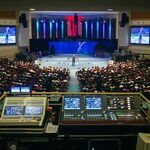
Desde clubes com capacidade para 800 pessoas até teatros com 3.000 lugares, os The Struts adaptam‑se a qualquer tipo de espaço — e J3 e Bear acompanham essa versatilidade.
“O tamanho do palco influencia a captação dos pratos nos microfones de voz. Já foi necessário recorrer a painéis de acrílico para controlar esse efeito”, explica J3.
Em espaços mais pequenos, a componente visual da banda levanta desafios adicionais. “Evita‑se bloquear o baterista, Gethin Davies, pelo que se recorre a microfones colocados por baixo, em vez de overheads. Não é a solução ideal em termos de som, mas funciona para o espetáculo.”
Bear acrescenta: “Com os plug-ins da Yamaha, o número de ajustes necessários diminuiu em comparação com a mesa anterior. As misturas mantêm maior consistência entre espaços.”
A adaptação passa também pelo equilíbrio do volume de palco, pelo ajuste do tempo de reverberação e pela afinação dos níveis dos monitores de chão, de acordo com cada sala. E quando o espaço apresenta demasiada reverberação?
“Desliga‑se a reverberação”, afirma J3, com humor. “Caso contrário, uma situação menos favorável torna-se ainda pior.”
Mixing for Emotion
O espetáculo dos The Struts não se resume à intensidade — é altamente teatral. J3 e Bear privilegiam o impacto emocional, sem comprometer a clareza.
O espetáculo dos The Struts não se resume à intensidade — é altamente teatral. J3 e Bear privilegiam o impacto emocional, sem comprometer a clareza.
Bear gere os níveis dos microfones de ambiente para reforçar a interação sem interferir no conjunto. “O Luke gosta de ouvir o público”, refere. “Os microfones de audiência sobem ligeiramente entre músicas para o resto da banda, sem afetar o tempo.”
E, por vezes, o público bate palmas fora do tempo. A solução passa por reforçar elementos como o hi-hat e a tarola na mistura, ajudando a manter a banda coesa.
Um dos momentos mais marcantes surgiu na digressão do 10.º aniversário, com a interpretação integral do álbum de estreia. “Havia guitarras acústicas, baladas ao piano e várias mudanças de dinâmica”, recorda J3. “Esse contexto permitiu uma maior liberdade para moldar a mistura de forma mais expressiva. São esses momentos que fazem a diferença.”
Conselhos para a Nova Geração
J3 e Bear mostram um forte empenho na orientação de novos engenheiros. Os conselhos refletem experiência, humildade e aprendizagens adquiridas ao longo do percurso.
J3 incentiva a aproveitar as oportunidades que surgem, mesmo quando ainda não existe total confiança. “O percurso surgiu por acaso”, refere. “Importa confiar nas direções que vão surgindo. Partilhar conhecimento também faz parte do caminho — quanto mais se dá, mais se recebe.”
Bear valoriza a ligação com os outros e o equilíbrio pessoal. “Importa não ter receio de colocar questões. A autenticidade faz a diferença. E cuidar do bem‑estar físico, mental e emocional é essencial, tanto quanto a evolução profissional.”
Perante dúvidas sobre aceitar um projeto exigente, a resposta é clara: “Vale a pena arriscar. O crescimento acontece com o desafio.”
John “J3” Allen durante o espetáculo
Local
Estados Unidos da América